Road to Hope (Fall 2025)

Comment

Road to Hope (Fall 2025)

Project Background

Globally, the number of youth caregivers is unknown. In the US alone, however, an estimated 1.6 million young people care for loved ones.  Given the burden of HIV and other chronic illnesses in global majority settings, this number is expected to be much higher in other locations across the world. 

Research from the HIV epidemic has shown that caregiving at a young age places immense stress on children or adolescents. In low-resource settings, these young caregivers are often forced to give up their education. Furthermore, they face a greater risk of exposure to poverty and community violence. The Hidden Toll of Care Giving on Youth Care Givers 

According to the WHO Palliative Care, palliative care is a supportive approach that aims to prevent and relieve health-related suffering of adults, children, and their families facing problems associated with life-threatening illness. It is based on a comprehensive and person-centered approach, addressing physical, psychological, social, and spiritual suffering. This includes socioeconomic support for patients and families who are often among the poorest in the community due to challenges in earning income, given their serious illness.

In Uganda, palliative care patients reported that their most significant concerns were not physical pain, but rather the distress of knowing their children would be left without support and would likely have to drop out of school with no hope for the future. Palliative care nurses raised the need to address this suffering among their patients and their families.

Definition of Success

The Spring 2026 project offers a Notre Dame student team the opportunity to conduct a structured, policy-oriented analysis of CES’s transition toward greater organizational independence. The project will examine available legal frameworks, financing structures, and governance arrangements to establish a new legal and fiscal representation in the United States to support its work in Mexico. The project hopes to explore options for establishing support for international mechanisms, particularly in the US, that will best support long-term organizational survival and effectiveness.

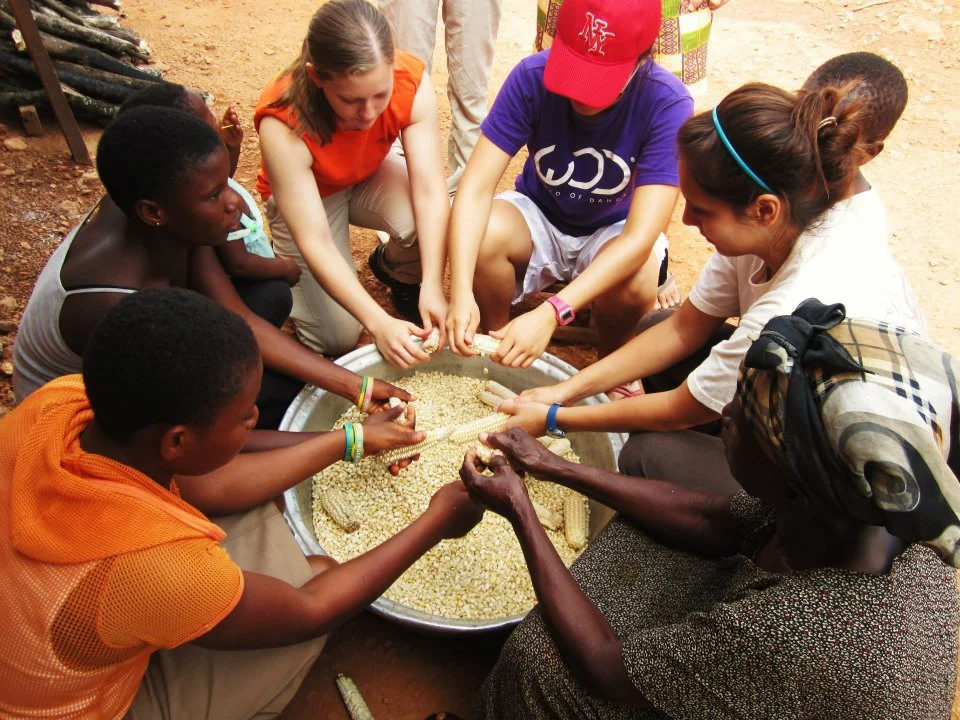
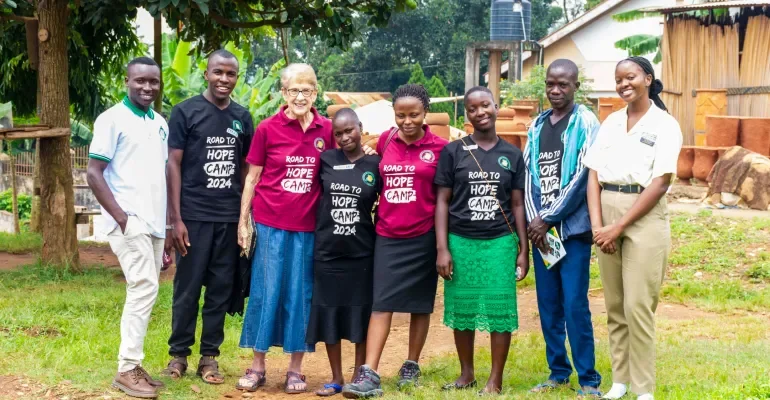
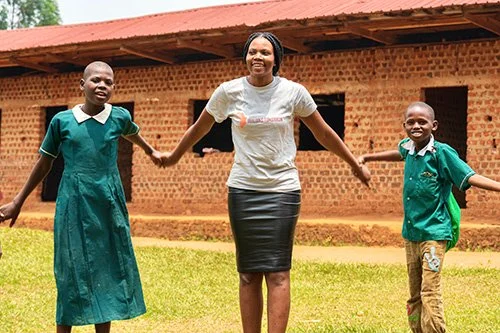
Road to Hope Program: In response, the Palliative Care Association of Uganda (PCAU) launched the Road to Hope (RTH) Program in 2012, in partnership with the Center for Hospice Care (USA). This education-focused program supports young caregivers from impoverished backgrounds so they can remain in school while caring for chronically ill parents. The children are identified in collaboration with palliative care practitioners in the community, enrolled in appropriate schools, and supported with school fees and requirements, medical care, psychosocial, spiritual, and child protection services. 

Integrating social and economic interventions in palliative care programming is important in addressing inequalities and exclusion of indigent families and can greatly contribute to better access to health care services while also acting as a tool for poverty alleviation, especially across generations.

Definition of Opportunity

Global Partners in Care and the Palliative Care Association of Uganda aim to evaluate the Road to Hope Program to identify best practices, enabling the global expansion of support for child caregivers. While assessing this work, please identify the key factors of this program that should be highlighted for palliative care organizations considering implementation in other contexts, and develop a framework for creating programs for child caregivers. Furthermore, identify possible funding sources that could be used to fund such programs across the world.
Final Deliverables

Comment

Building Tomorrow (Fall 2025)

Comment

Building Tomorrow (Fall 2025)

Project Background

Building Tomorrow (BT) is a leading education NGO in Uganda and Rwanda, dedicated to enrolling out-of-school children and helping marginalized primary students master the basic academic skills they need to thrive. At the heart of BT’s work is Roots to Rise—a proven model of short, targeted learning camps that close skill gaps in literacy and numeracy. This “Teaching at the Right Level” (TaRL) approach has been shown across the globe to dramatically improve learning outcomes, giving children the foundation for lifelong learning and opportunity.

BT delivers Roots to Rise through an innovative Fellowship program, recruiting top Ugandan college graduates for two years of service. Each Fellow works with four schools, training teachers and mobilizing Community Education Volunteers (CEVs) to run learning camps both in schools and in villages. Over two years, a Fellow and their team can run more than a hundred camps—helping hundreds of children get back on track.

The model works. But recent analysis revealed something striking: not all schools and communities are receiving the same number of camps. Some deliver the full program, others far fewer. And this matters—because when dosage drops, so does impact. Closing this gap could unlock significantly greater learning gains across thousands of children.

Definition of Success

The Spring 2026 project offers a Notre Dame student team the opportunity to conduct a structured, policy-oriented analysis of CES’s transition toward greater organizational independence. The project will examine available legal frameworks, financing structures, and governance arrangements to establish a new legal and fiscal representation in the United States to support its work in Mexico. The project hopes to explore options for establishing support for international mechanisms, particularly in the US, that will best support long-term organizational survival and effectiveness.

Definition of Opportunity

This project zeroes in on a critical organizational challenge: Why is there so much variation in camp delivery? And how can BT ensure that every child, no matter where they live, receives the full benefit of the program?

Working in partnership with BT and Notre Dame faculty, the student team will contribute to a mixed-methods study to:

  • Analyze BT’s rich monitoring and survey data

  • Conduct interviews with former Fellows and BT stakeholders

  • Identify barriers and enablers that explain why some schools run more camps than others

  • Co-develop recommendations to improve consistency and maximize impact

The findings will directly shape BT’s program design and strategy—helping ensure thousands more children across East Africa learn the foundational skills they need to be successful in school and life.

Final Deliverables

Comment

Compañeros en Salud (Spring 2026)

Comment

Compañeros en Salud (Spring 2026)

Project Background

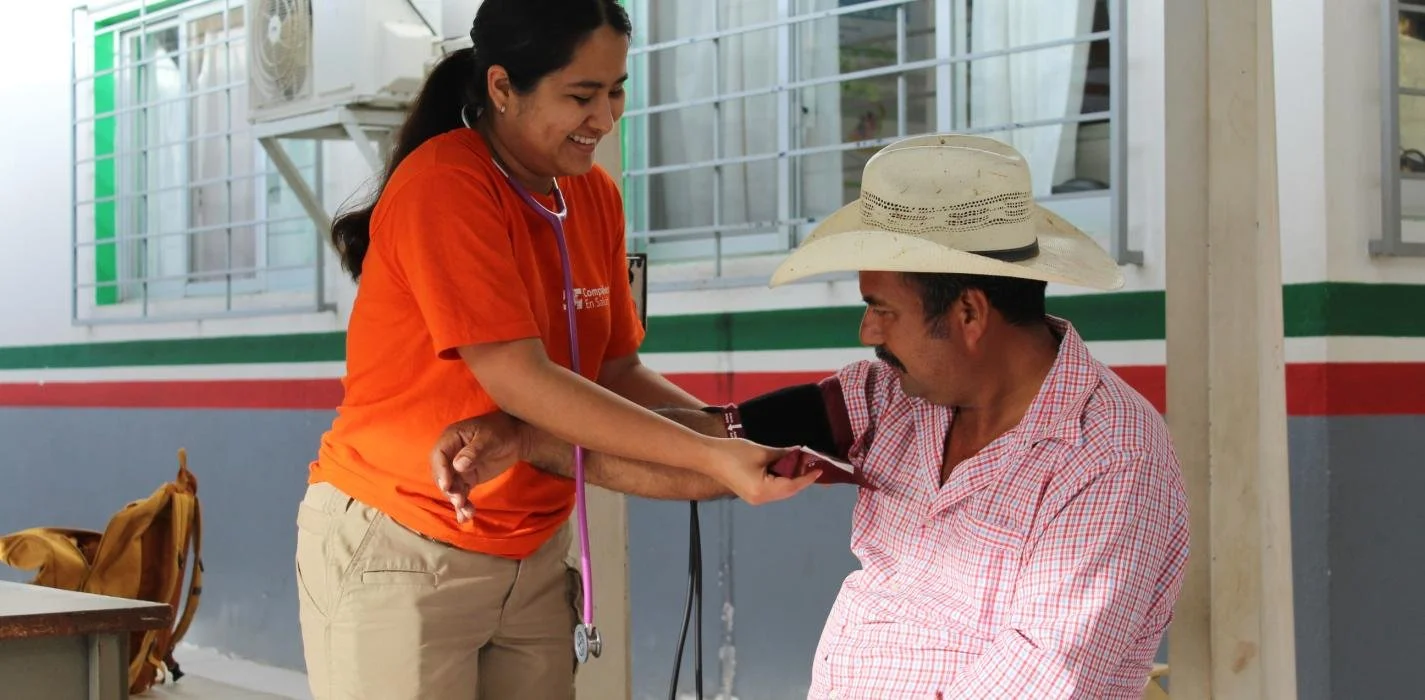
Compañeros en Salud (CES) was founded as the Mexican sister organization of Partners In Health (PIH) and delivers high-quality, accompaniment-based care in rural, resource-constrained communities in Chiapas. CES is a multidisciplinary organization that provides primary healthcare across all three levels of care, along with social support services grounded in a preferential option for those most in need. Its work emphasizes patient-centered care delivered with dignity and guided by a strong commitment to equity.

As global health funding becomes increasingly uncertain and U.S.-based support for international health initiatives faces growing political and financial constraints, PIH has indicated that CES must move toward greater institutional, financial, and governance independence from its historical relationship with the U.S.-based organization. This transition raises complex questions about how CES can sustain its model of care, protect quality and equity, and establish a more independent organizational identity within Mexico and abroad, especially in the United States.

This DAT project builds on prior collaboration between Notre Dame students and CES, including work to develop and translate inventories of CES healthcare delivery innovations for policy audiences. Whereas that earlier work emphasized applied outputs and partner-facing deliverables, the Spring 2026 project shifts toward deeper analytical inquiry and institutional evaluation intended to inform CES’s ongoing organizational transition.


Definition of Success

The Spring 2026 project offers a Notre Dame student team the opportunity to conduct a structured, policy-oriented analysis of CES’s transition toward greater organizational independence. The project will examine available legal frameworks, financing structures, and governance arrangements to establish a new legal and fiscal representation in the United States to support its work in Mexico. The project hopes to explore options for establishing support for international mechanisms, particularly in the US, that will best support long-term organizational survival and effectiveness.

Meet the Team

Final Deliverables

Comment

The Vines (Spring 2026)

Comment

The Vines (Spring 2026)

Partner Background

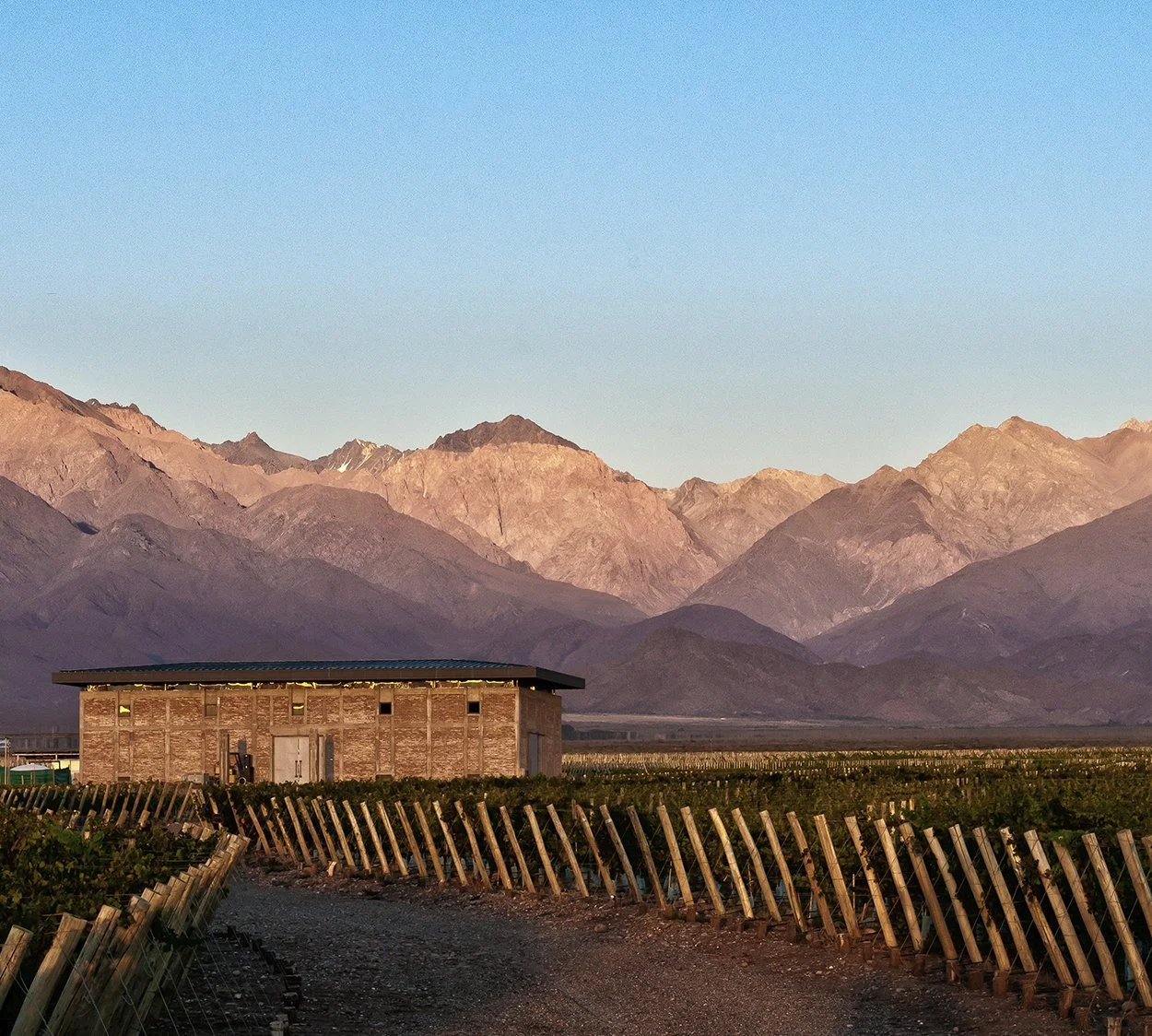
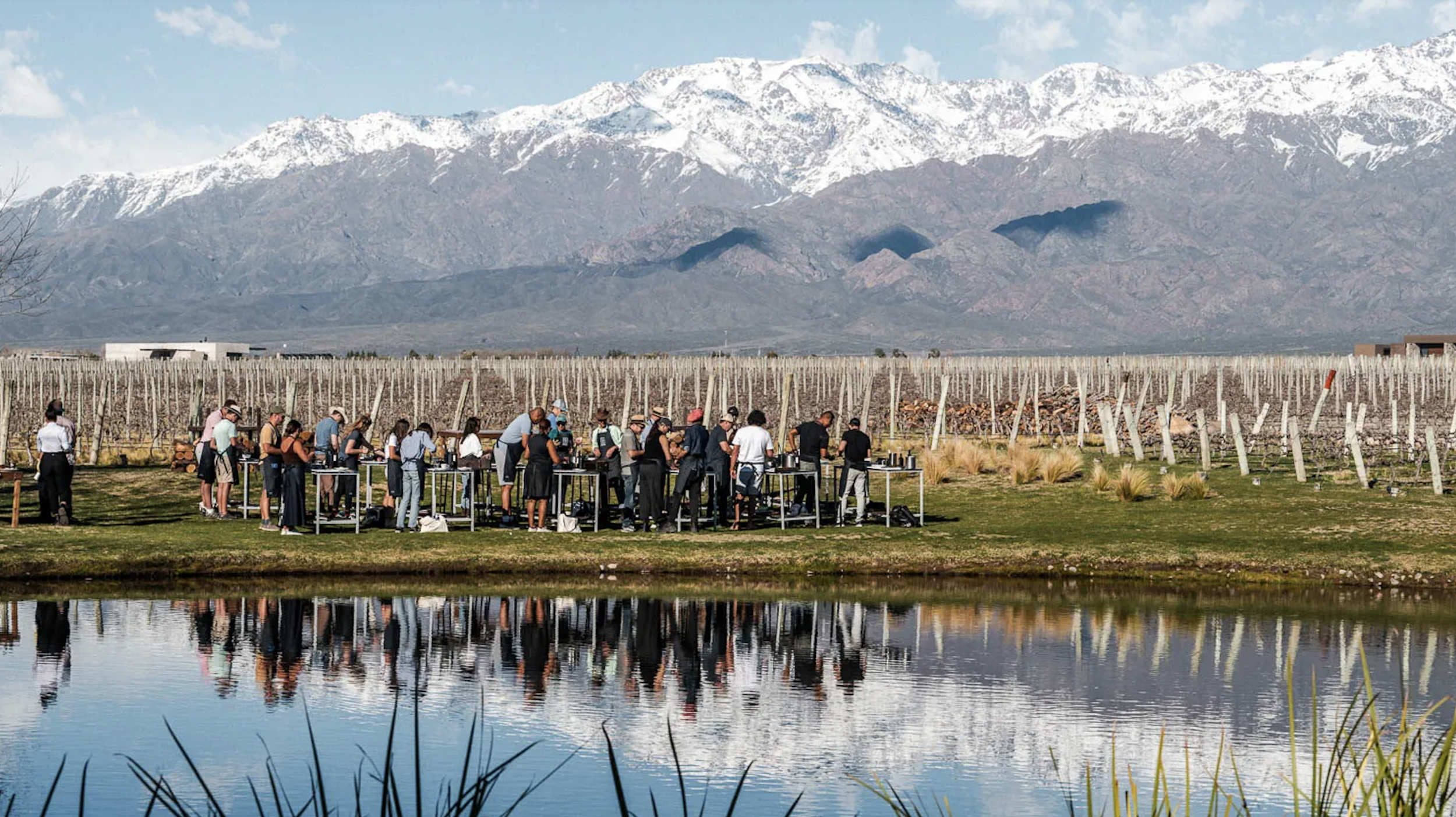
The Vines Foundation (TVF) is a catalyst for positive change in Tunuyán, a city in the western province of Mendoza, Argentina. Tunuyán is located in the Uco Valley, a largely rural region that is known for its wine and other agricultural products. We are a dedicated partner who supports sustainable initiatives that improve the overall health and vibrancy of the Tunuyán community. TVF is the philanthropic arm of The Vines, an Argentine farming, winemaking and hospitality company with deep connections to international resources through our clients in the US, Europe and Brazil. TVF leverages these resources to meet the immediate and long-term needs and aspirations of the local community through enhancing holistic community health, improving food security, and promoting sustainable livelihoods. Through our work, we engage community members, public, and private sector partners to solve complex challenges.


Definition of Opportunity

TVF seeks to partner with the University of Notre Dame to conduct market research and employer needs assessment across the hospitality, tourism, wine, and gastronomy sectors in and around Tunuyán.  The goal is to ensure that the vocational school:

  • Prioritizes training tracks with the highest employment demand

  • Aligns curriculum with specific, practical skills employers seek

  • Builds early pathways for internships, instructors, and job placement

  • Positions employers as long-term partners—not just future hirers

Student teams will engage directly with 15–20 regional employers, including: Hotels and boutique lodges, Restaurants, Wineries and tasting rooms, Tour operators and experience providers, and Event and wedding venues

Vision of Success

This project will be successful if, at its conclusion, The Vines Foundation has:

  • Clear, employer-validated evidence of workforce demand in the Uco Valley

  • Data-driven guidance to prioritize vocational certification tracks

  • A shortlist of employers ready to partner through internships, teaching, or hiring

  • Early momentum toward an employer pipeline that supports job placement from day one

  • Confidence that the vocational school is being designed with employers, not just for students

Meet the Team

Final Deliverable

Comment

Our Lady of Grace Senior High School (Spring 2026)

Comment

Our Lady of Grace Senior High School (Spring 2026)

Partner Background

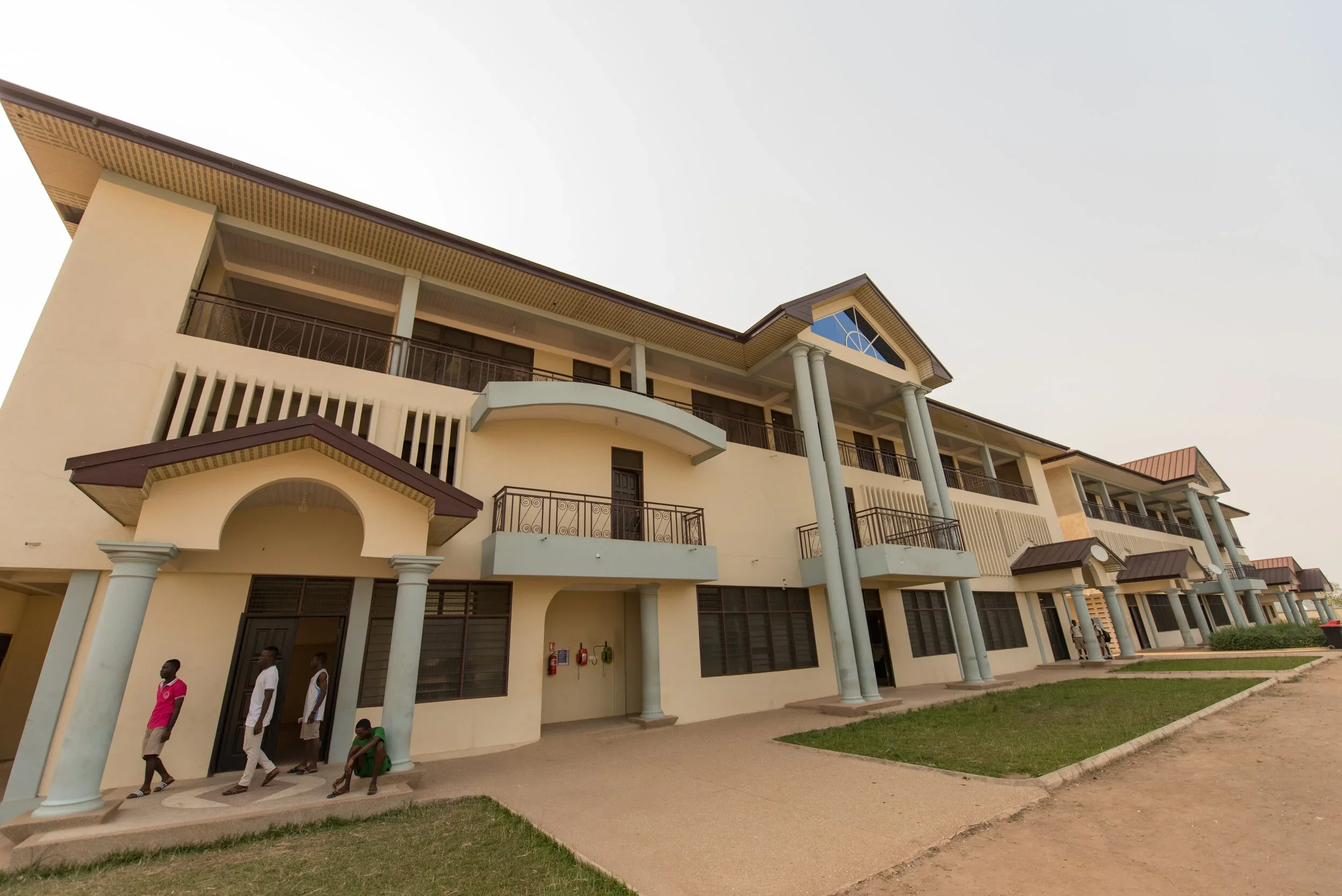
Our Lady of Grace Senior High School (OLAG) is a secondary school in Ghana guided by the values of Knowledge, Morality, and Service. Founded through a long-standing sister parish relationship between Our Lady of Grace Parish (Minnesota) and St. Joseph’s Parish in Mamponteng, Ghana, OLAG has grown into a thriving institution serving 850 students annually.

To date, OLAG has graduated 2,279 students, many of whom have pursued higher education in Ghana and abroad. 317 alumni have earned advanced degrees, and 9 graduates are currently studying in the United States (two at the University of Notre Dame). The school is funded and overseen by the Rise & Shine Foundation, a U.S.-based nonprofit committed to educational access and long-term institutional sustainability.


Definition of Opportunity

OLAG recently constructed a new guest house adjacent to the school campus in the rural town of Mamponteng, Ghana. The facility is intended to provide high-quality lodging for visitors—donors, board members, volunteers, educators, and faith-based groups—while also serving as a social impact enterprise that breaks even while providing social value to the school. Given the limited availability of quality accommodations in the surrounding region, the guest house presents an opportunity for OLAG to:

  • Create a breakeven model for the use of the facility (and if it generates revenue, contribute it to the school)

  • Attract new partners and collaborators

  • Deepen engagement with visitors beyond short-term stays

  • Look for new social and educational impact opportunities.

  • Build on and expand its relationship with the University of Notre Dame

Meet the Team

Final Deliverable

Comment

Our Kids of South Bend (Spring 2026)

Comment

Our Kids of South Bend (Spring 2026)

Partner Background

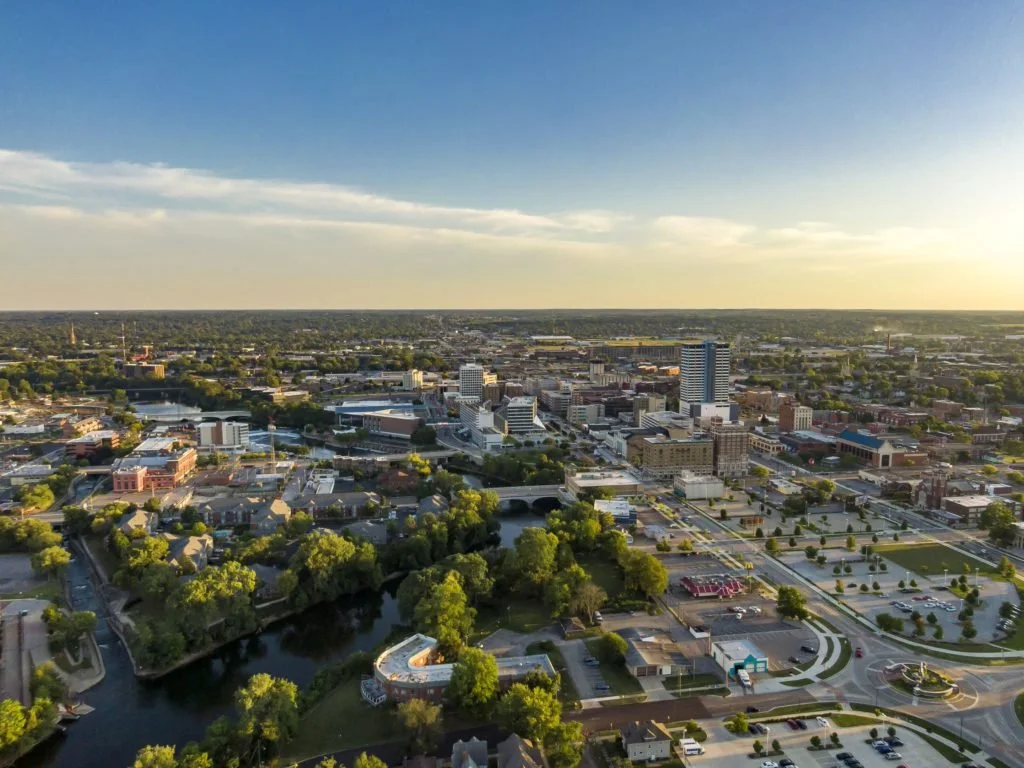
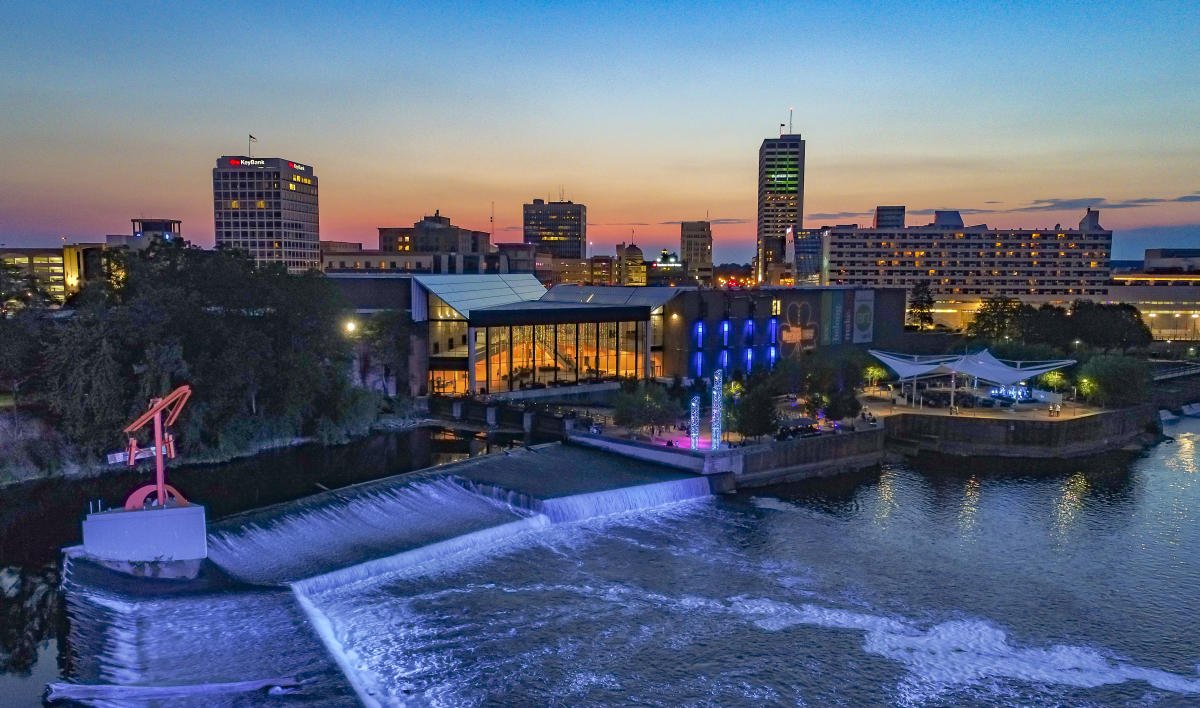
Our Kids of South Bend is a new nonprofit with a bold mission: to work from cradle to career so that every child in our community has the support they need to thrive. We begin in the Near Northwest Neighborhood (Census Tract 6), one of South Bend’s most challenged yet resilient communities.

Our Kids will serve as the backbone organization for child and family well-being—coordinating services, breaking down barriers to access, and ensuring no child falls through the cracks. We will connect families to existing partners, hold systems accountable for delivery, and, when necessary, directly provide high-impact services. Our approach is simple but ambitious: saturate support in one neighborhood until every child is on track for success, and then scale.

The need is urgent. Children in South Bend face:

  • Adverse childhood experiences at rates higher than the national average.

  • Chronic absenteeism  – 37% in South Bend Community School Corporation (SBCSC) schools.

  • Low academic achievement – 77.8% below reading proficiency; 81.2% below math proficiency.

  • Rising youth violence, now the leading cause of death for young people nationwide.

Our aim is nothing less than to break the cycle of intergenerational poverty and build a replicable model that proves what’s possible when an entire community commits to its children.

Our Kids draws inspiration from global and local innovators –  India’s ASPIRE, and the work of similar organizations in the U.S., such as the Harlem Children’s Zone.  Our pilot launches in 2026, proving the model in the Near Northwest Neighborhood before expanding citywide and perhaps beyond. Planning for the launch of Our Kids SBN is being led by Dr. Andrew Hoyt, Founding Head of School at the Portage School of Leaders, an innovative, competency-based charter high school in South Bend radically committed to students’ authentic engagement in deeper learning and positive adult relationships; Alec Torigian, National Coordinator for ACE's Pursuing Achievement Through Higher Education (PATH) initiative, whose mission is to provide radical accompaniment, opportunity, and formation on scholars' journeys from 6th grade through college graduation; and Jeffonia Jones, Family Engagement Specialist at the Portage School of Leaders, a certified life coach responsible for connecting students and families with the tools, resources, and support they’ll need to reach their fullest potential.


Definition of Opportunity

This project offers a team of Notre Dame students the opportunity to support Our Kids of South Bend at a pivotal moment in its launch.

  • Students will help translate an ambitious, systems-oriented vision into clear, credible, and investment-ready projected plans and materials for funders, partners, board members, and other stakeholders.

  • The project focuses on strengthening and clarifying the organization’s projected growth, financial, and staffing plans, and on preparing materials to translate these simply and appealingly for external supporters.

  • Emphasis will be placed on assisting with translating the cradle-to-career backbone approach, emerging strategy, and organizations' growth projections into concrete, realistic plans, roles, costs, and timelines, drawing upon founders’ and board members’ guidance, benchmarking against other promise neighborhood models, and with input from social entrepreneurship tools and experts.

Meet the Team

Final Deliverable

Comment

Our Kids of South Bend (Fall 2025)

Comment

Our Kids of South Bend (Fall 2025)

Partner Background

Our Kids of South Bend is a new nonprofit with a bold mission: to work from cradle to career so that every child in our community has the support they need to thrive. We begin in the Near Northwest Neighborhood (Census Tract 6), one of South Bend’s most challenged yet resilient communities.

Our Kids will serve as the backbone organization for child and family well-being—coordinating services, breaking down barriers to access, and ensuring no child falls through the cracks. We will connect families to existing partners, hold systems accountable for delivery, and, when necessary, directly provide high-impact services. Our approach is simple but ambitious: saturate support in one neighborhood until every child is on track for success, and then scale.

The need is urgent. Children in South Bend face:

  • Adverse childhood experiences at rates higher than the national average.

  • Chronic absenteeism  – 37% in South Bend Community School Corporation (SBCSC) schools.

  • Low academic achievement – 77.8% below reading proficiency; 81.2% below math proficiency.

  • Rising youth violence, now the leading cause of death for young people nationwide.

Our aim is nothing less than to break the cycle of intergenerational poverty and build a replicable model that proves what’s possible when an entire community commits to its children.

Our Kids draws inspiration from global and local innovators –  India’s ASPIRE, and the work of similar organizations in the U.S., such as the Harlem Children’s Zone.  Our pilot launches in 2026, proving the model in the Near Northwest Neighborhood before expanding citywide and perhaps beyond. Planning for the launch of Our Kids SBN is being led by Dr. Andrew Hoyt, Founding Head of School at the Portage School of Leaders, an innovative, competency-based charter high school in South Bend radically committed to students’ authentic engagement in deeper learning and positive adult relationships; Alec Torigian, National Coordinator for ACE's Pursuing Achievement Through Higher Education (PATH) initiative, whose mission is to provide radical accompaniment, opportunity, and formation on scholars' journeys from 6th grade through college graduation; and Jeffonia Jones, Family Engagement Specialist at the Portage School of Leaders, a certified life coach responsible for connecting students and families with the tools, resources, and support they’ll need to reach their fullest potential.


Definition of Opportunity

Our Kids South Bend wants to conduct a thorough analysis of the strategic partners in and/or accessible to the children and families of the NNW neighborhood for its comprehensive neighborhood saturation model of cradle to career child support services with universal coverage of at-risk children. 

Key objectives of the team will be to:

  1. Conduct a community asset mapping of likely partners, their capacity for expansion (with and without additional financing), their services, prospects for collaboration, and projected gaps in service accessibility, including all ECD centers.

  2. Synthesize lessons from ASPIRE in India, the Harlem Children’s Zone, and the Promise Neighborhood initiatives for Our Kids SBN, for example, concerning staffing ratios and models, financing models, systems and tools, and processes for initial community survey and program launch.

  3. Gather additional demographic information from census data and other public databases on the needs and social determinants of education in the neighborhood. 

Meet the Team

Final Deliverable

Comment

The Vines (Fall 2025)

Comment

The Vines (Fall 2025)

Partner Background

The Vines Foundation (TVF) is a catalyst for positive change in Tunuyán, a city in the western province of Mendoza, Argentina. Tunuyán is located in the Uco Valley, a largely rural region that is known for its wine and other agricultural products. We are a dedicated partner who supports sustainable initiatives that improve the overall health and vibrancy of the Tunuyán community. TVF is the philanthropic arm of The Vines, an Argentine farming, winemaking and hospitality company with deep connections to international resources through our clients in the US, Europe and Brazil. TVF leverages these resources to meet the immediate and long-term needs and aspirations of the local community through enhancing holistic community health, improving food security, and promoting sustainable livelihoods. Through our work, we engage community members, public, and private sector partners to solve complex challenges.


Definition of Opportunity

TVF is currently working to build a community center in Tunuyán. While the center will serve as a hub for all of our programming, its primary feature will be a vocational (trade) school. The school will focus on helping aspiring professionals develop the skills necessary to secure stable (year-round) jobs, particularly in the hospitality, tourism, and gastronomic industries. 

Why a vocational school? Tunuyán is a dry and dusty region of the Uco Valley with an agriculture-based industry that has been particularly impacted by climate change. Irregular rainfall and volatility between cold and extreme heat, combined with insufficient infrastructure and production facilities to promote rural development, have caused economic uncertainty to skyrocket. Like many industries in Argentina, the agricultural sector experiences high rates of informality. Laborers often lack workers’ protection and access to social security, and face volatile labor demand due to the seasonal nature of agricultural work. Around 40 percent of Tunuyán’s 55,000 residents live in poverty.

This vocational center hopes to create long-term stability through stable employment. Through extensive research (including from ND students!) and community surveys, we have concluded that a vocational school is the best way for our foundation to invest in the sustainable development of Tunuyán. Our ability to leverage the resources and knowledge of The Vines’ hospitality, gastronomy, and agricultural expertise will allow us to build out an effective program that enables young professionals to secure positions promising a sustainable income and a stable future. Our connections to other restaurants, hotels, and wineries in the region, as well as local universities and technical authorities, will ensure we are tuned in to the changing needs of the industries we seek to place our graduates in.

For the Uco Valley community, these programs represent an opportunity for economic development by creating a skilled workforce that can support and attract businesses in the hospitality industry. For the students, these programs provide a path to financial stability, career advancement, and personal growth, including essential life skills like teamwork, communication, and problem-solving. By improving the well-being of individuals, we aim to foster a thriving and dynamic community.

Vision of Success

Through this partnership, we hope to be better equipped to begin with the end in mind. 1) We can define the core elements of the vocational school that we can articulate to the local community (and potential students) as well as internationally (potential donors).    2) We have successful models we can draw inspiration from, and ideas of how we might adapt them for Tunuyán.   3) We have a proposed structure for the courses, and a reason for choosing this structure.  4) We have a clear direction for evaluating the development and measuring the success of the vocational school (impact evaluation/KPIs). 5) We can build an internal process to ensure our efforts are consistently contributing to our goals. 

Meet the Team

Final Deliverable

Comment

The Vines (Fall 2024)

Comment

The Vines (Fall 2024)

Partner Background

The Vines Foundation is a catalyst for positive change in Tunuyan, a city in the Western province of Mendoza, Argentina. Our mission is to promote the capacity of our community through sustainable initiatives that improve food security, strengthen socioeconomic independence, and contribute to the holistic wellbeing of each child in our community. As the philanthropic arm of The Vines, an Argentine farming, winemaking and hospitality company (vinesofmendoza.com, vinesresortandspa.com) with deep international connections, the Foundation is leveraging its resources to meet the immediate and long-term needs of the local community. Most importantly, we are seeking to increase capacity and participation through engaging community members and organizations, local and national businesses, and the municipal government to address complex challenges. 


Definition of Opportunity

The Vines Foundation seeks assistance in researching best practices and devising a plan to integrate our Relief Aid and Community Development efforts through the establishment of a multi-purpose community center (that might focus on nutrition, health, and education, as well as sports and recreation, as well as mental health support). This center will be a focal point for (1) relief aid outreach services and (2) community development initiatives, particularly vocational training programs for the hospitality sector. These programs will equip individuals with the knowledge and skills needed for stable employment.

For the Uco Valley community, these programs represent an opportunity for economic development by creating a skilled workforce that can support and attract businesses in the hospitality industry. For the students, these programs provide a path to financial stability, career advancement, and personal growth, including essential life skills like teamwork, communication, and problem-solving. By improving the well-being of individuals, we aim to foster a thriving and dynamic community.

Vision of Success

Through working with the Fall 2024 GAC, we hope to gain insight and devise these final deliverables:

  • Based on the community assessment, define the best location(s), partners and physical components of the community center. Summarize what the community is hoping to achieve with this community center, identify risks & opportunities and list potential partners.  Provide recommendations for next steps forward.

  • Based on best practice research, what community center models should be considered by the The Vines Foundation?  Identify the key factors that must be considered, possible financial resources and recommend the best next steps forward..

Meet the Team

Final Deliverable

Comment

Education Bridge (Fall 2024)

Comment

Education Bridge (Fall 2024)

Project Background

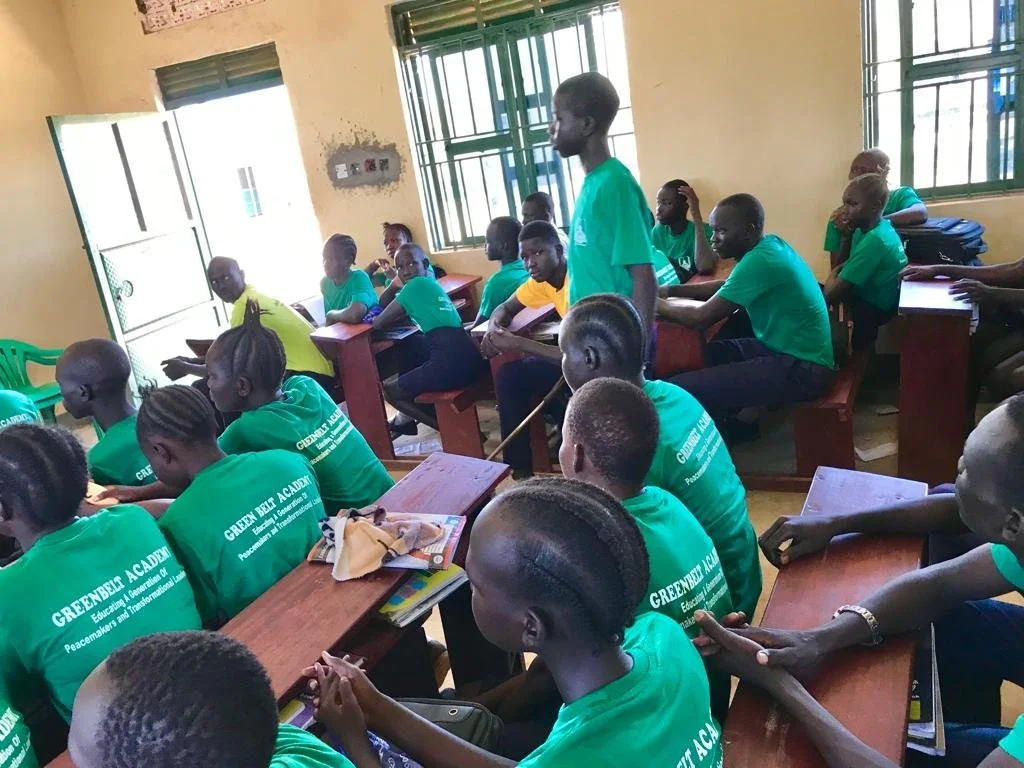
Education Bridge aims to create flourishing South Sudanese communities through holistic education and conflict transformation by educating a generation of peacemakers and transformational leaders to address the perpetual cycle of poverty and violence in South Sudan. Education Bridge drives this change through a unique and holistic approach to secondary education that merges peacebuilding curriculum, leadership development and academic excellence that is implemented through our schools - Greenbelt Academies.  Led by South Sudanese Notre Dame graduate Majak Anyieth ’17, the Greenbelt Academy currently serves over 1,200 students in grades 9-12 at two schools in the capital, Juba (Central Equatoria State), and in Bor (Jonglei State). These two high-performing secondary schools are ranked among the highest in the country. In addition to a desire to add more secondary schools across the country, Education Bridge has launched a teacher training network for its alumni as a pathway into primary school teaching. 

Education Bridge has worked with Notre Dame DAT teams over multiple semesters on projects related to developing a peacebuilding curriculum, enhancing opportunities for girls, contributing to organizational sustainability, and developing international partnerships. They are now considering the possibility of expanding schools and developing criteria for doing so.

Definition of Opportunity

The immense youth unemployment crisis across Africa presents an important opportunity to education organisations on the continent: how will we prepare young people to successfully transition into a world where they will need to address intensifying global challenges and create employment opportunities for their communities? In South Sudan, this is an especially pertinent question - with over 70% of the country's population being under the age of 30. Less than 1% of young people transition into university, and employment opportunities are extremely scarce. This poses a serious threat to the potential for dignified livelihoods, but also for the overall peace and stability within the country. Education Bridge is focused on developing a generation of transformational leaders and peacemakers who can end violent conflict and poverty in their communities. Over the last years, Education Bridge has developed a secondary school program that serves this purpose well. In the next few years, Education Bridge will have to expand their programming to ensure they are providing their students and alumni with the right support to successfully transition into the important community leadership role that will see alumni make meaningful changes in the country. Some questions to consider: What will enable Education Bridge alumni to become high-impact leaders in their communities? What support do they need at different stages of their journeys? What are the biggest challenges they might face, and how could Education Bridge best mobilise resources to help their students address and overcome them?

Definition of Success

A successful project will have a number of key outputs: 1. A strategy that defines and outlines key programmatic approaches to addressing the challenge at hand. 2. Work with Education Bridge to identify potential funding organizations and develop an actual proposal for at least one of those organizations and 3. Help develop a pitch for a proposal that can be used to approach potential funders passionate about this work with Education Bridge. 

Meet the Team

Final Deliverables

Comment

Global Affairs Canada (Fall 2024)

Comment

Global Affairs Canada (Fall 2024)

Project Background

Global Affairs Canada (GAC) is responsible for defining, shaping and advancing Canada’s interests and values in a complex global environment. GAC manages diplomatic relations, promotes international trade, provides consular assistance and leads international development, humanitarian and peace and security assistance efforts. It also contributes to national security and the development of international law.

The Strategic Coordination and Analysis unit, in the Transnational Threats and Conflicts Bureau, produces tailored analysis and advisory support to inform Canada’s peace and security programming in conflict settings. It also works alongside other parts of the department and diplomatic missions on responses to conflict and security threats and conducts analyses on emerging security challenges.

Definition of Opportunity

Since 2018, Coastal West Africa (CWA) has seen an increase of instability with a spike of violent extremist attacks and widespread intercommunal tensions and conflicts in northern regions along the borders with the Sahel. In order to address the window of opportunity to prevent more instability from emerging and spreading, GAC developed a Conflict Prevention Framework to guide its peace and security approach in southern regions of the Sahel (Mali, Burkina Faso and Niger) and northern regions of CWA (Benin, Côte d’ivoire, Ghana and Togo). The framework is underpinned by an in-depth analysis of conflict drivers and regional trends, intended to inform Canada’s engagement in the region to prevent the spillover of conflict and instability in transborder regions. Of the various conflict drivers examined, the relationship between climate and security needs further research. GAC is interested in understanding how climate change impacts security dynamics in northern regions of CWA. For instance, how are strict conservation and environmentalist policies fuelling community grievances in northern Benin (W—Arly—Pendjari Parks)? How are violent extremist organizations (VEOs) capitalizing on these grievances to recruit disenchanted youth and marginalized communities? How are governments in Coastal West Africa responding to the rising security threats amid rising tensions over access to natural resources?

Definition of Success

We would be delighted to have short and insightful research that allows us to better understand the linkages between climate change and security in Coastal West Africa. Short analytical pieces and mappings will boost our knowledge about this thematic. We want to clearly identify how these thematic fuels conflict drivers and enable the spillover of violence and VEO activity in Benin, Côte d’Ivoire, Ghana and Togo.

Meet the Team

Final Deliverable

Comment

Partners In Health (Fall 2024)

Comment

Partners In Health (Fall 2024)

Project Background

Partners In Health (PIH) is a global nonprofit organization dedicated to providing high-quality healthcare to marginalized communities, addressing social determinants of health, and advocating for health equity. PIH Engage is its grassroots advocacy and fundraising network, mobilizing volunteers to support PIH’s mission through community organizing, education, and policy change efforts.  

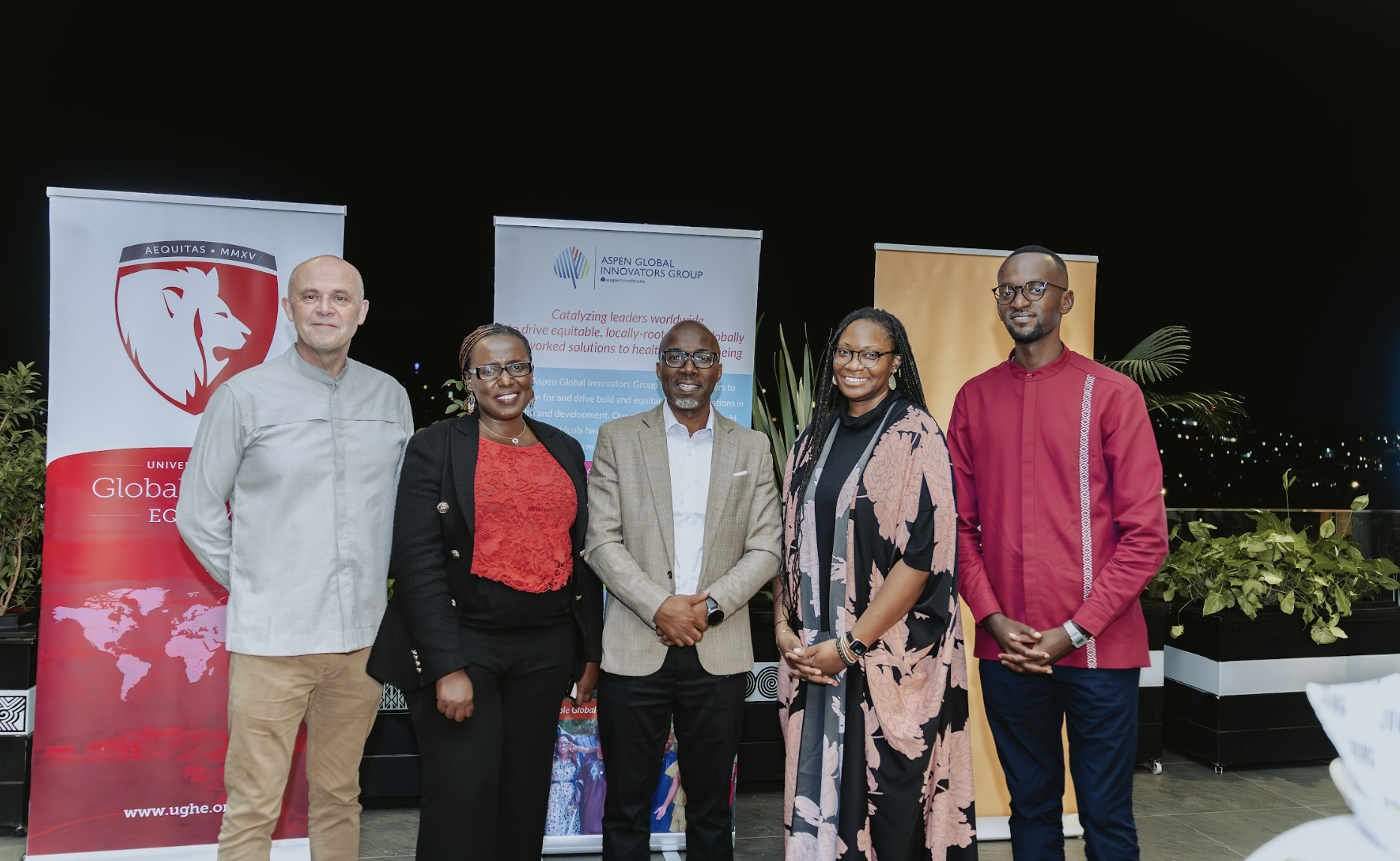
The need for community health systems strengthening became increasingly evident for Partners In Health (PIH) in 2014, when we were invited by local partners and Ministries of Health in Liberia and Sierra Leone to join the effort to address the ongoing Ebola epidemic in West Africa. It was reinforced in 2020, when we responded to calls from our partners around the world to help fill crucial gaps in local and national responses to the Covid-19 pandemic. Our experiences delivering care in community during these crises, witnessing the impact of community-based solutions on equitable outcomes, and our work partnering with Ministries of Health to strengthen health systems in their wake was the impetus for PIH to launch the Global Academy for Community Health Systems Resilience (the Global Academy), in partnership with the University of Global Health Equity (UGHE) and the Aspen Global Innovators Group. 

Definition of Opportunity

The Global Academy, currently in its first year of implementation, is a twelve-month-long fellowship program which convenes community leaders to learn from experts in community health and health systems strengthening and to work together to pilot innovative, community-centred solutions to the most pressing challenges and underexplored opportunities in their communities. The program recognises the power in bringing together community leaders from diverse backgrounds to learn from one another and engage in a collaborative exchange of experiences and best practices. Our long-term vision is to build a collective voice of community leaders who can influence plans, policies, and movements in the fight to strengthen community health systems worldwide. 

As part of this collaborative effort, PIH contributes our experience in care delivery and health systems strengthening and our global network of implementers and partners. This fellowship program is built on the experience and expertise of UGHE, PIH’s training and research university in Rwanda, which has extensive experience delivering transformative executive education to healthcare and public health professionals on the African continent through its Center for Leadership in Global Health Equity. Together with the Aspen Global Innovators Group, who have extensive, global experience catalysing leadership potential to drive community change, we are seeking to elevate the place of community in the global conversation around health systems resilience and to shine a light on interventions for strengthening community health systems.

Definition of Success

  • A successful final product would be in the form of a well-written, well-packaged and visually appealing report, including the following components:

    • Background and rationale of the Global Academy in the context of PIH’s mission and values and the global conversation about health systems resilience

    • Profiles of our current fellows, including the early impact that this program is having in their personal and professional lives, and on their understanding of community health systems resilience

    • Illustrative case studies on the early outcomes of our current fellows’ breakthrough projects

    • Engaging imagery

    • Short video summary of the report, produced from interview footage, graphics provided by interviewees, and other publicly available materials

Meet the Team

Final Deliverable

Comment

Education Bridge (Spring 2025)

Comment

Education Bridge (Spring 2025)

Project Background

Education Bridge aims to create flourishing South Sudanese communities through holistic education and conflict transformation by educating a generation of peacemakers and transformational leaders to address the perpetual cycle of poverty and violence in South Sudan. Education Bridge drives this change through a unique and holistic approach to secondary education that merges peacebuilding curriculum, leadership development and academic excellence that is implemented through our schools - Greenbelt Academies.  Led by South Sudanese Notre Dame graduate Majak Anyieth ’17, the Greenbelt Academy currently serves over 1,200 students in grades 9-12 at two schools in the capital, Juba (Central Equatoria State), and in Bor (Jonglei State). These two high-performing secondary schools are ranked among the highest in the country. In addition to a desire to add more secondary schools across the country, Education Bridge has launched a teacher training network for its alumni as a pathway into primary school teaching. 

Education Bridge has worked with Notre Dame DAT teams over multiple semesters on projects related to developing a peacebuilding curriculum, enhancing opportunities for girls, contributing to organizational sustainability, and developing international partnerships. They are now considering the possibility of expanding schools and developing criteria for doing so.

Definition of Opportunity

Education Bridge wants to begin exploring a strategic expansion, potentially, to an additional state in South Sudan. This research project will assess the feasibility of expansion by conducting a SWOT (Strengths, Weaknesses, Opportunities, Threats) analysis of three potential locations in South Sudan: Lakes State, Upper Nile State, and Western Equatoria State.

This project builds on previous work by a Notre Dame Development Advisory Team from Fall 2023, which explored Education Bridge’s organizational sustainability and international partnerships. The project proposes to:

  • Identify key factors for successful expansion, including demand, infrastructure, security, teacher availability, and financial viability.

  • Conduct a comparative SWOT analysis of the three target states to evaluate their suitability for a new Greenbelt Academy.

  • Develop criteria and recommendations for prioritizing locations for future expansion.

Definition of Success

Success for this project means delivering a comprehensive SWOT analysis of the three target states, providing Education Bridge with a clear assessment of opportunities and challenges for expansion. The research will also establish a set of recommended criteria to guide strategic decision-making on where and how to grow the school network. Additionally, the project may include case studies on successful education expansion models in South Sudan or neighboring countries, offering valuable insights and best practices to inform Education Bridge’s approach.

Meet the Team

Final Deliverables

Comment

Partners In Health & PIH Engage (Spring 2025)

Comment

Partners In Health & PIH Engage (Spring 2025)

Project Background

Partners In Health (PIH) is a global nonprofit organization dedicated to providing high-quality healthcare to marginalized communities, addressing social determinants of health, and advocating for health equity. PIH Engage is its grassroots advocacy and fundraising network, mobilizing volunteers to support PIH’s mission through community organizing, education, and policy change efforts.  

PIH is a member of the EndTB campaign to combat tuberculosis (TB) through advocacy, treatment expansion, and awareness-building. As momentum builds, engaging incoming members of US Congress will be essential for advancing key policy initiatives, including the EndTB Act, the Paul Farmer Memorial Resolution (PMFR), and the Community Health Worker Access Act (CHWAA).

Definition of Opportunity

A Notre Dame student team will research and identify newly elected members of Congress with potential interest in TB advocacy, global health, and partnerships with institutions such as the NIH, CDC, USAID, and the Global Fund. John Green’s forthcoming book Tuberculosis is Everything and his advocacy, along with efforts from young activists (Nerdfighters), are increasing interest in TB activism, particularly among young people. His visit to Notre Dame on February 5, 2025, presents a strategic opportunity to expand engagement and advocacy efforts in legislative circles.

Definition of Success

  • A detailed list of incoming members of Congress with relevant health and global development interests, including linkages with organizations such as NIH, CDC, Global Fund, and USAID.

  • Develop bios and background information for use during PIH Engage’s Hill Day on April 9, 2025 equipping advocates with key details for meetings on Capitol Hill.

  • A comprehensive Champion Scale assessment of targeted MoCs, with tailored engagement strategies to advance their commitment.

Meet the Team

Final Deliverables

Comment

U.S. Department of State (Spring 2025)

Comment

U.S. Department of State (Spring 2025)

Project Background

The University of Notre Dame’s Keough School of Global Affairs is collaborating with the U.S. Department of State on an initiative focused on global conflict prevention research. As part of the Academic Centers of Conflict Anticipation and Prevention (ACCAP) partnership, the Department’s Bureau of Conflict and Stabilization Operations (CSO) is engaging universities to provide supplemental research, analysis, and data to enhance its ability to anticipate, prevent, and respond to global conflict. 

The CSO leads the formulation and implementation of conflict prevention and stabilization strategies, policies, and programs for the State Department. This partnership will provide undergraduate and graduate students at the Keough School with access to key State Department research tools, including its Instability Monitoring and Analysis Platform, which officials use to monitor conflict risks and implement evidence-based policies.

Definition of Opportunity

The student team will conduct research on illicit gold mining and its implications for violent extremism and broader instability dynamics in Coastal West Africa (CWA) focusing on Benin, Côte d’Ivoire, Ghana, Guinea, and Togo. The project will explore the relationships between illicit mining activities, financial flows, and governance challenges to inform future policy interventions. The student research will fill a critical knowledge gap for the Africa team within CSO, providing evidence-based analysis to support future Global Fragility Act (GFA) programming in the State Department. This project aligns with the broader mission of conflict prevention by identifying strategies to mitigate instability and strengthen governance structures.

Definition of Success

The team will explore the implications of illicit gold mining on violent extremism and broader instability dynamics in 1-2 countries in Coastal West African countries ((Benin, Cote d’Ivoire, Ghana, Guinea, and Togo). The final product should help address the following questions: What can legal mining operations do to promote formalization of these activities?  What local and national governments do to promote formal, legal employment and ensure gold mining revenues benefit citizens?

Meet the Team

Final Deliverables

Comment

The Jumbam Family Foundation (Spring 2025)

Comment

The Jumbam Family Foundation (Spring 2025)

Project Background

The Jumbam Family Foundation (JFF) is a Cameroon-based non-governmental organization that aims to contribute to peacebuilding in Cameroon and support communities affected by the Anglophone crisis, primarily through women and youth empowerment, education, and healthcare. Co-founded by Desmond Jumbam (MSGH ‘16, MBA ‘25) and his mother, Seh Rebecca Jumbam, in 2020, JFF emerged out of a personal tragedy and their determination to transform it into a lasting impact and restore hope for victims of the crisis. The organization focuses on three core areas: women empowerment, as well as providing education and healthcare services to refugees and internally displaced people from Anglophone regions of Cameroon.

Definition of Opportunity

One of the most devastating impacts of the Anglophone crisis is the toll that it poses on women. In 2020 JFF launched a project focused on empowering widows who had lost their livelihoods as a result of the crisis. The program provides grief counseling, psychosocial support, and opportunities for widows to regain their livelihoods, including small business support and educational opportunities. The program has thus far supported 49 women to regain their livelihoods. Most women have started sustainable businesses, including a small poultry and pig farm, rearing and selling of goats, clothing retail and the production and sale of palm oil. The program has been in hiatus for the past year and a half while JFF established its Ngek C. Constantine Scholarship Program. In 2025, JFF plans to relaunch the women’s support program as the “Hope and Renewal Initiative.”

Definition of Success

JFF hopes to gain a deeper understanding of key factors that have led to the success of previous participants, i.e., bright spots, and practical recommendations for improving the next iteration of the widow’s project based on these findings. Ultimately, our goal is to generate evidence based on bright spots and comparative analysis to strengthen project relaunch. 

  • Identify Success Stories: Highlight individual and collective success stories that demonstrate the effectiveness of the program's strategies and interventions. This will be done via remote interviews with previous participants and staff.     

  • Find Bright Spots: Identify the project's most successful elements that can be scaled or replicated in future cohorts.

  • Analyze Challenges: Identify and analyze the challenges faced by the participants and the project team, providing insights into areas needing improvement. 

  • Recommend Enhancements: Provide actionable recommendations for enhancing the program based on the lessons learned and identified bright spots. Develop strategies to ensure the long-term sustainability and scalability of the project.

  • Document Findings: Create comprehensive documentation of the findings, including case studies, data analysis, and strategic recommendations.

Meet the Team

Final Deliverables

Comment

Wellness TA (Spring 2025)

Comment

Wellness TA (Spring 2025)

Project Background

Effective teamwork is a fundamental skill for tackling complex global challenges, yet many students and professionals struggle to collaborate productively. The forthcoming book, Learning to Team Up: Unleashing the Transformative Power of Collaboration in the Classroom, explores the mindsets and skillsets essential for successful team-based learning, particularly in higher education. It emphasizes reflective practice, psychological safety, belonging, and negotiation as critical elements of teamwork—principles that are equally vital in professional environments such as international development, where cross-disciplinary collaboration, problem-solving, and negotiation are key to driving sustainable impact.

Definition of Opportunity

This project invites a Notre Dame student team to create a series of short, engaging instructional videos that translate the book’s key lessons into accessible, practical, and easily implementable tools for educators and students. These videos will serve as learning resources to support more effective team-based learning in classrooms and professional settings.

A student team will develop high-quality, engaging video content that illustrates core concepts from the book, making them more accessible, actionable, and visually compelling. These instructional videos will support educators in implementing team-based learning strategies, reinforcing the book’s goal of equipping students with collaborative skills for both academic and professional success. The project will be supported by ND Studios and will include collaboration with Wellness TA for video production. Students will gain hands-on experience in educational content creation, storytelling, and media production, while contributing to a resource that enhances teamwork education globally.

Definition of Success

Success means gaining a clear understanding of the existing landscape, identifying what works and where gaps remain in available video content related to teamwork skills. It includes producing engaging, student-created instructional videos that bring the book’s themes to life—that ultimately will help equip instructors with practical tools and inspire them to implement its recommendations. Through this process, students will not only deepen their understanding of team-based learning but also enhance their storytelling and digital media skills, translating theory into real-world, impactful applications.

Meet the Team

Final Deliverables

Comment

Education Bridge (Fall 2023)

Comment

Education Bridge (Fall 2023)

Project Background

Education Bridge seeks to create flourishing South Sudanese communities through holistic education and conflict transformation. As part of this mission, Education Bridge opened its first school, Greenbelt Academy Bor, in South Sudan in February 2017. Led by South Sudanese Notre Dame graduate Majak Anyieth ’17 (who was a student in this International Development in Practice class), Greenbelt Academy Bor High School has grades 9-12, and in a very short time, has become one of the strongest academic schools in South Sudan. Last year, Education Bridge opened its second school, Greenbelt Academy Juba, in the capital of South Sudan. Greenbelt Academies seek to provide quality secondary education as well as to develop a generation of South Sudanese who are not only well prepared academically, but who also see themselves as peacemakers and transformational leaders.

Education Bridge aspires to achieve its mission by building a network of secondary schools that provide access to quality secondary education, innovative peace education, and transformative leadership development. The organization plans to build a network of 10 secondary schools across the country. Their two schools currently serve more than 750 students in grades 9-12. In 2021, Greenbelt Academy in Bor ranked as the top school in South Sudan based on national standardized exams.

Definition of Opportunity

As we continue expanding our school network, we want to ensure that we do not lose or compromise what makes us unique and successful as a school network. We ask the DAT team to explore similar networks (e.g., charter schools and international school networks in other parts of the world) and to provide recommendations on how the schools have been able to scale with quality. More specifically, we hope the team will explore what should be key elements to evaluate before expanding our school network.

Definition of Success

The team’s work should provide targets on some of these aspects to be assessed as indicators of readiness for engaging in an expansion strategy.

Based on experiences of other school networks, provide actionable recommendations that address concrete institutional, instructional and operational criteria that Education Bridge should assess before further expansion. We are also interested in how Education Bridge can use data from their own experiences to accelerate the growth and quality of their programs, and inform the criteria around expansion.

Meet the Team

Final Deliverables

Education Bridge Fall 2023 by Joseph Drey on Scribd

Comment

Domingo Savio (Fall 2023)

Comment

Domingo Savio (Fall 2023)

Project Background

Domingo Savio was founded in 1979 by Olga Diaz as a residential orphanage or “hogar” for children living in Santiago, Chile. Today, Nuestro Club Domingo Savio continues to work with children and their families living in challenging situations through an “after-school” and other enrichment programs.

Olga continues to lead the work of Nuestro Club Domingo Savio with creativity and resourcefulness, as she has done for more than 40 years. Olga and her colleagues remain committed to expanding opportunities for the school-age children who actively participate in Domingo Savio’s educational and enrichment programs, as well as with adult family members and elderly people who often live in isolation in the local community. Mi Club is supported entirely by donations. Increasingly, most "in kind" contributions for food, clothing, and school supplies are local, as are an increasing percentage of monetary donations. They also rely on local interns and international volunteers to lead “talleres” (workshops) for the children after school. Steve Reifenberg lived and worked at Domingo Savio from 1982-1984 and wrote a book about the experiences called “Santiago’s Children: What I Learned about Life at an Orphanage in Chile.” He has remained involved with Domingo Savio, and is chair of the board.

Definition of Opportunity

The primary objective of this project is to develop a way of telling the story of Domingo Savio and its impact on children and their communities, so Domingo Savio is able to better generate support and attract international volunteers. This includes recording the stories of former participants in the programs of Domingo Savio and understanding how the program impacted their lives. The team will use these stories to help update the website and incorporate this storytelling into their design as well as develop more concrete information/expectations and a formal application process for international volunteers.

Definition of Success

We aspire that this DAT project will generate impactful narrative stories of Domingo Savio’s work, with concrete examples of impact and personal testimonies. As a result, Domingo Savio would have an engaging and updated website that would draw in more donations and support. The site would also have a volunteer application process that both encourages more volunteers to come and allows Domingo Savio to better filter prospective volunteers before arrival. They will have a portfolio of testimonies and stories from members of the new program for elderly people experiencing solitude.

Meet the Team

Final Deliverables

Comment

University of Notre Dame Kaneb Center (Fall 2023)

Comment

University of Notre Dame Kaneb Center (Fall 2023)

Enhancing Student Wellbeing at Notre Dame In the Classroom

Partner Background

Over the past two years, International Development in Practice (IDP) students have partnered with the University of Notre Dame Wellness Center and the Office of Student Affairs to explore ways to promote flourishing among Notre Dame students. Through this partnership, students in the class both mapped resources available on campus to promote student flourishing, as well as conducted over one-hundred interviews of students, faculty, and staff regarding best practices of teachers for promoting flourishing and wellbeing in the classroom. Further, these IDP students have hosted brainstorming sessions with faculty and students to share, workshop, and ideate on ideas for improving student wellbeing linked to what is happening in the classroom.

This semester, the Wellness project will expand this partnership to include Notre Dame’s Kaneb Center for Teaching Excellence. The Kaneb Center was established in 1996 under the leadership of President Edward Malloy and Provost Nathan Hatch with the support of John Kaneb. The Center, composed of educational developers, learning researchers, and program managers, provides research-based services, programs, and resources that support teaching excellence and reflective practice at Notre Dame.

Main offerings or Kaneb include:

Offering workshops and collaborative consultations that explore a variety of pedagogical approaches with an emphasis on the creation and implementation of engaged, student-centered learning experiences.

Supporting scholarly inquiry to improve teaching and learning.

Maintaining a lending library of resources on topics including course design, classroom strategies, assessment design, student feedback, and academic career development.


Definition of Opportunity

Given the stresses and challenges to mental health that exist for college students and the impacts of the pandemic, it is evident that students can benefit from wellness resources more than ever. The University offers a variety of resources to students, but they are spread across different schools, offices, and initiatives.  In the spring 2022, a team of students mapped resources (programs, initiatives, classes, support groups, etc) on campus that help promote wellness and student flourishing.   In the fall 2022, a student team explored strategies and approaches that Keough School of Global Affairs (and other) faculty used in the classroom to promote student flourishing. The team held a workshop with faculty to exchange ideas and share best practices. 

Definition of Success

Through this project, we hope to accomplish the following:

  • Increased awareness of practices teachers can use to improve student wellbeing

  • Creation of easy to understand content / data that is compelling to faculty

  • Understanding barriers and challenges of incorporating these ideas for faculty and students

  • Bring together faculty in a welcoming space to share some of these ideas, prototype, and put these ideas into practice

Meet the Team

Final Deliverables

Comment