Viewing entries tagged
Uganda

Road to Hope (Fall 2025)

Comment

Road to Hope (Fall 2025)

Project Background

Globally, the number of youth caregivers is unknown. In the US alone, however, an estimated 1.6 million young people care for loved ones.  Given the burden of HIV and other chronic illnesses in global majority settings, this number is expected to be much higher in other locations across the world. 

Research from the HIV epidemic has shown that caregiving at a young age places immense stress on children or adolescents. In low-resource settings, these young caregivers are often forced to give up their education. Furthermore, they face a greater risk of exposure to poverty and community violence. The Hidden Toll of Care Giving on Youth Care Givers 

According to the WHO Palliative Care, palliative care is a supportive approach that aims to prevent and relieve health-related suffering of adults, children, and their families facing problems associated with life-threatening illness. It is based on a comprehensive and person-centered approach, addressing physical, psychological, social, and spiritual suffering. This includes socioeconomic support for patients and families who are often among the poorest in the community due to challenges in earning income, given their serious illness.

In Uganda, palliative care patients reported that their most significant concerns were not physical pain, but rather the distress of knowing their children would be left without support and would likely have to drop out of school with no hope for the future. Palliative care nurses raised the need to address this suffering among their patients and their families.

Definition of Success

The Spring 2026 project offers a Notre Dame student team the opportunity to conduct a structured, policy-oriented analysis of CES’s transition toward greater organizational independence. The project will examine available legal frameworks, financing structures, and governance arrangements to establish a new legal and fiscal representation in the United States to support its work in Mexico. The project hopes to explore options for establishing support for international mechanisms, particularly in the US, that will best support long-term organizational survival and effectiveness.

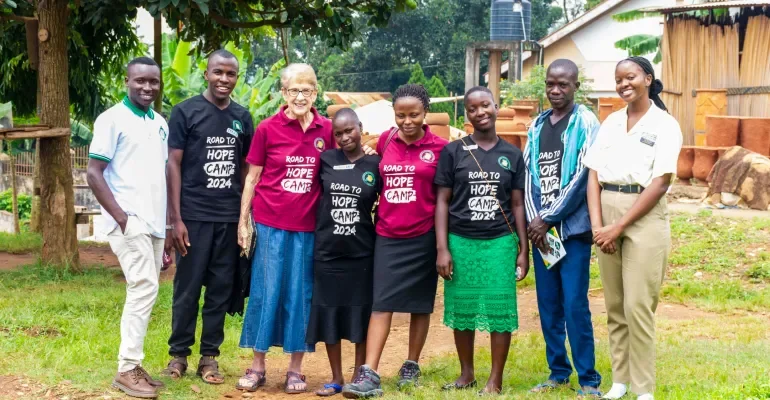
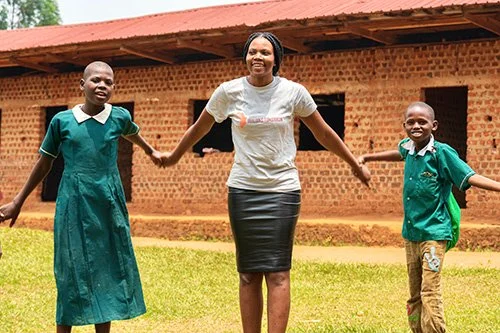
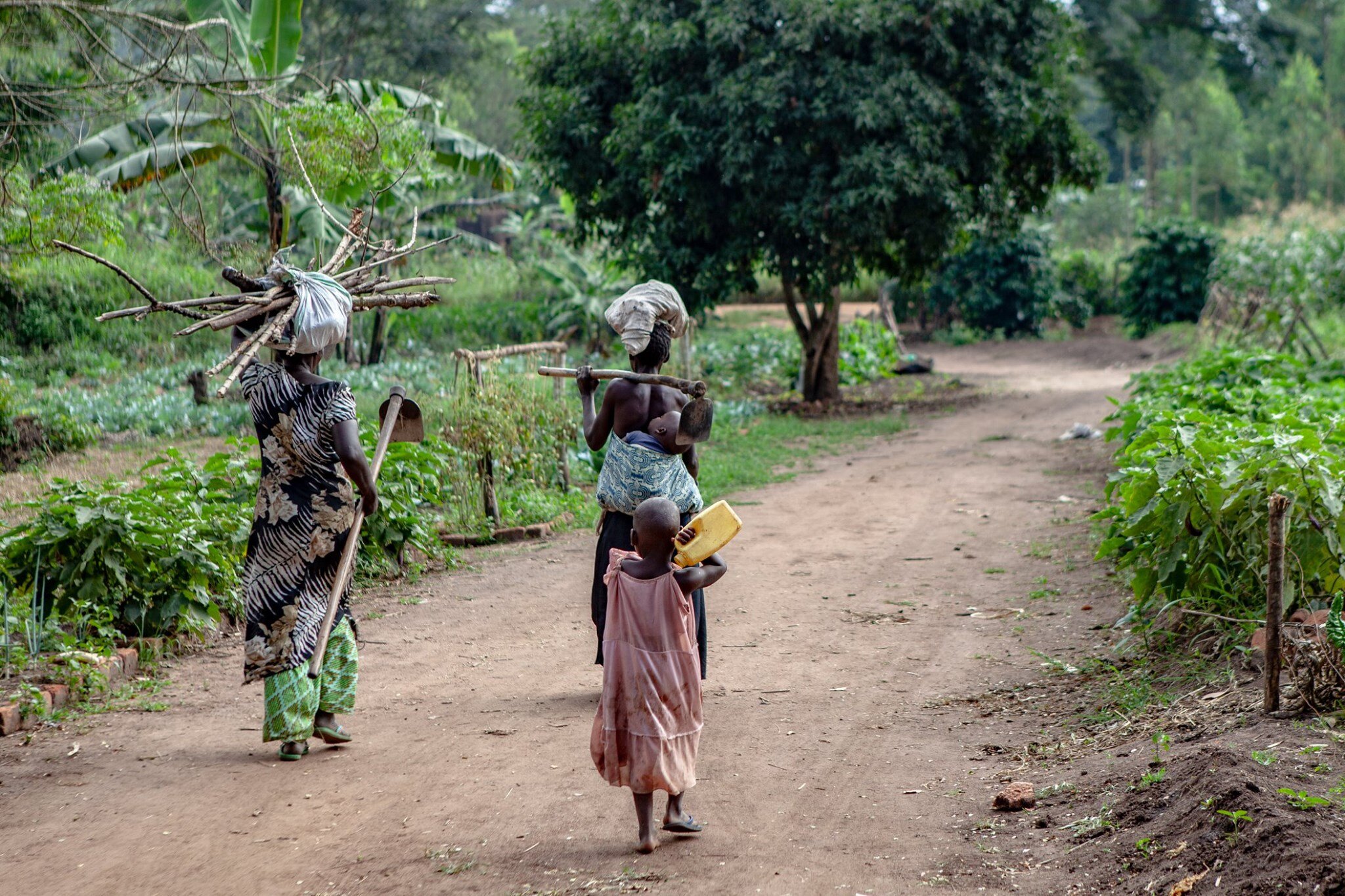
Road to Hope Program: In response, the Palliative Care Association of Uganda (PCAU) launched the Road to Hope (RTH) Program in 2012, in partnership with the Center for Hospice Care (USA). This education-focused program supports young caregivers from impoverished backgrounds so they can remain in school while caring for chronically ill parents. The children are identified in collaboration with palliative care practitioners in the community, enrolled in appropriate schools, and supported with school fees and requirements, medical care, psychosocial, spiritual, and child protection services. 

Integrating social and economic interventions in palliative care programming is important in addressing inequalities and exclusion of indigent families and can greatly contribute to better access to health care services while also acting as a tool for poverty alleviation, especially across generations.

Definition of Opportunity

Global Partners in Care and the Palliative Care Association of Uganda aim to evaluate the Road to Hope Program to identify best practices, enabling the global expansion of support for child caregivers. While assessing this work, please identify the key factors of this program that should be highlighted for palliative care organizations considering implementation in other contexts, and develop a framework for creating programs for child caregivers. Furthermore, identify possible funding sources that could be used to fund such programs across the world.
Final Deliverables

Comment

Building Tomorrow (Fall 2025)

Comment

Building Tomorrow (Fall 2025)

Project Background

Building Tomorrow (BT) is a leading education NGO in Uganda and Rwanda, dedicated to enrolling out-of-school children and helping marginalized primary students master the basic academic skills they need to thrive. At the heart of BT’s work is Roots to Rise—a proven model of short, targeted learning camps that close skill gaps in literacy and numeracy. This “Teaching at the Right Level” (TaRL) approach has been shown across the globe to dramatically improve learning outcomes, giving children the foundation for lifelong learning and opportunity.

BT delivers Roots to Rise through an innovative Fellowship program, recruiting top Ugandan college graduates for two years of service. Each Fellow works with four schools, training teachers and mobilizing Community Education Volunteers (CEVs) to run learning camps both in schools and in villages. Over two years, a Fellow and their team can run more than a hundred camps—helping hundreds of children get back on track.

The model works. But recent analysis revealed something striking: not all schools and communities are receiving the same number of camps. Some deliver the full program, others far fewer. And this matters—because when dosage drops, so does impact. Closing this gap could unlock significantly greater learning gains across thousands of children.

Definition of Success

The Spring 2026 project offers a Notre Dame student team the opportunity to conduct a structured, policy-oriented analysis of CES’s transition toward greater organizational independence. The project will examine available legal frameworks, financing structures, and governance arrangements to establish a new legal and fiscal representation in the United States to support its work in Mexico. The project hopes to explore options for establishing support for international mechanisms, particularly in the US, that will best support long-term organizational survival and effectiveness.

Definition of Opportunity

This project zeroes in on a critical organizational challenge: Why is there so much variation in camp delivery? And how can BT ensure that every child, no matter where they live, receives the full benefit of the program?

Working in partnership with BT and Notre Dame faculty, the student team will contribute to a mixed-methods study to:

  • Analyze BT’s rich monitoring and survey data

  • Conduct interviews with former Fellows and BT stakeholders

  • Identify barriers and enablers that explain why some schools run more camps than others

  • Co-develop recommendations to improve consistency and maximize impact

The findings will directly shape BT’s program design and strategy—helping ensure thousands more children across East Africa learn the foundational skills they need to be successful in school and life.

Final Deliverables

Comment

Bethany Land Institute (Fall 2021)

Comment

Bethany Land Institute (Fall 2021)

Project Background

Bethany Land Institute represents a new model: an integrated approach to fight poverty, restore dignity and care for creation. BLI’s goal is to inspire similar models that can revitalize rural livelihoods in Uganda, and its mission is to train leaders in rural Uganda and set a new standard for sustainable creation care, food production and economic well being in Africa. The mission is realized through three key programs of the Bethany Land Institute:

Mary’s Farm: A sustainable farm that conducts educational and mentorship programs in sustainable practices of land use and food production.

Lazarus’ Trees: A forest, which serves as a catalyst for a major countrywide reforestation effort and an education base for a new ecological consciousness.

Martha’s Market: A Savings and Credit Cooperative Organization (SACCO), which serves as the business hub of BLI and the engine for ongoing economic entrepreneurship of BLI caretakers. Among others, Martha’s market will set up, manage and operate a retreat center and a roadside market (to provide a market for the produce, a rest stop for travelers, and publicity for the BLI vision and programs).

Definition of Opportunity

BLI is a unique initiative, whose programs of learning (Mary's farm), renewing (Lazarus Forest) and sustaining (Martha's Market) offer a unique methodology of integral ecology that responds to twin cries of the cry of the earth and cry of the poor. BLI does not want this model and mission to spread solely around rural Uganda but wants to engage with scholars, students, and researchers across the world who will learn from BLI and bring their own gifts to campus. Therefore, BLI wants to develop an internship program at its campus in Nandere in which US or European students and scholars can live at BLI, both learning about integral ecology and Pope Francis’ Laudato Si as well as providing value to BLI with their presence and skills.

Definition of Success

Ultimately BLI is hoping that the team will help BLI understand the role that immersive education experiences (including internships and fellowship) play at BLI, and explore how these contribute both to participants and to BLI. The team will further delve into one of these immersive experiences (one designed for US students) and help design the program, helping set and manage visitors' preparation, expectations, field experience, reflections, and continuing engagement.

Meet the Team

Final Deliverables

Embed Block
Add an embed URL or code. Learn more

Comment